Sculpture is a three-dimensional art form created through carving, modelling, casting, or constructing materials like stone, clay, metal, or wood. Ranging from ancient relics to modern, interactive installations, these works operate within the viewer’s physical space and include both free-standing pieces and relief works.

Key Aspects of Sculpture
- Techniques: Common methods include carving (stone/wood), modelling (clay/wax), casting (bronze/resin), and constructing (metal/mixed media).
- Forms: Works can be “in-the-round” (fully 3D) or reliefs (protruding from a flat surface).
- Materials: Traditionally stone, bronze, and wood; contemporary works use plastics, neon, textiles, and recycled materials.
- Key Historic Artists: Key figures include Michelangelo, Donatello, Bernini, Rodin, and Brancusi.
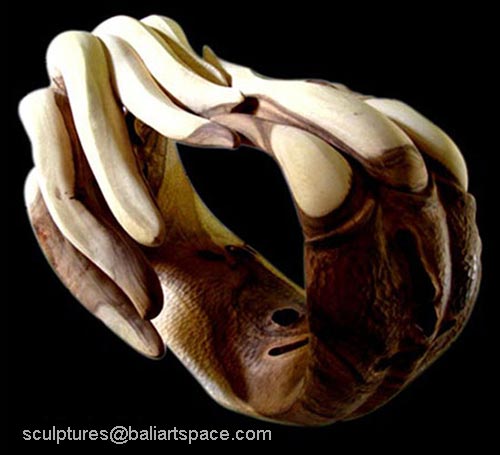
Iconic Sculptures
- Michelangelo’s David: A masterpiece of High Renaissance art illustrating incredible attention to anatomical detail.
- Auguste Rodin’s The Thinker: A seminal 20th-century work focusing on philosophical thought.
- Venus de Milo: An ancient Greek, Hellenistic-era masterpiece.
- Terracotta Warriors: Ancient Chinese funerary art.
Types of Sculpture
- Figurative: Represents recognizable human or animal forms.
- Abstract: Focuses on form, colour, and texture rather than literal representation.
- Kinetic: Sculptures that move, often powered by wind or motors.
- Environmental/Land Art: Works made directly into the landscape, such as pieces by Robert Smithson.
Where to Find/Buy Sculptures
- Museums: The National Gallery of Art and similar institutions hold vast collections.
- Galleries & Marketplaces: Platforms like BaliArtspace.com offer contemporary works.
- Public Art: Sculptures are often featured in urban centers or specialized, curated gardens.